Real stories
RayValue is new and has no customer testimonials. These are publicly reported accounts from news outlets and research groups, summarized in our own words, each with a link to the original. Some are good news for solar and batteries; others show where the economics got harder.
Florida
Treasure Coast
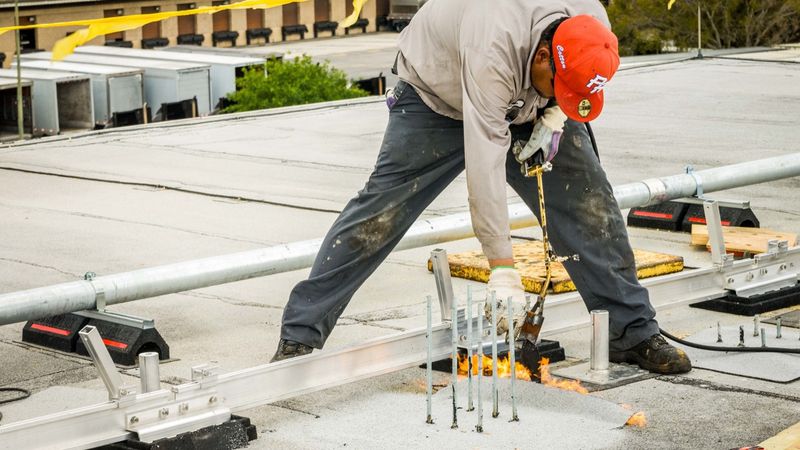
Treasure Coast homeowners filed hundreds of complaints over door-to-door solar sales
WFLX reported that Florida consumers had filed nearly 750 complaints against three solar companies the station examined, according to attorney general data, and that the attorney general had opened formal investigations into two of them while the third faced active litigation. At least six families described similar door-to-door sales pitches; one homeowner was locked into a $60,000 loan over 25 years, another had a $40,000 solar loan, and a couple said their panels never lowered FPL bills of nearly $300 a month. Seniors vs. Crime, part of the attorney general's office, offers free mediation to help people cancel contracts and recover money.
What it means for you: Get several written quotes, read every loan and warranty term before you sign, and treat a salesperson's savings number as a claim to check, not a promise.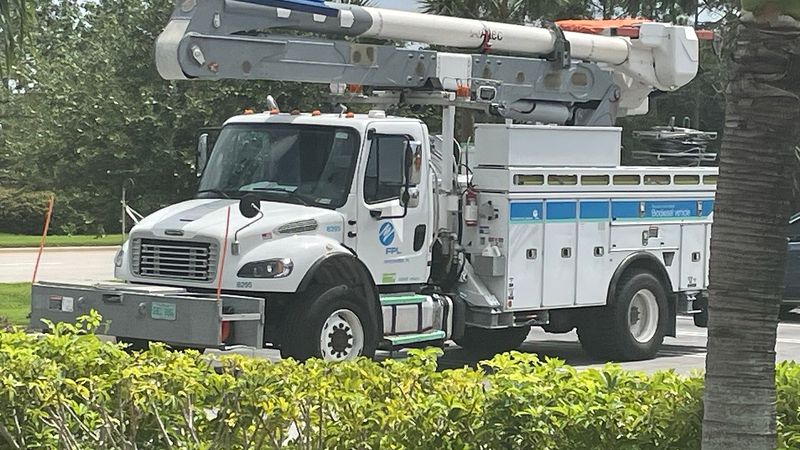
Florida Power & Light territory
Regulators approved FPL's four-year rate deal, with bills projected to keep rising
The News Service of Florida reported that the Florida Public Service Commission approved a four-year rate settlement for Florida Power & Light that raises base rates by $945 million in 2026 and $705 million in 2027, with more collected in 2028 and 2029 for solar and battery-storage projects. In FPL's traditional territory, a 1,000 kWh residential bill goes from $134.14 to $136.64 in 2026, while Northwest Florida customers see a drop from $143.60 to $141.36, with increases projected in later years. The Office of Public Counsel and consumer groups said the deal could total about $6.9 billion over four years and expected to challenge it at the Florida Supreme Court.
What it means for you: FPL's rates are now set for several years but still projected to rise, so run your payback with your own bill and a range of rate growth, not a single forecast.Read the source: News Service of Florida, via Central Florida Public Media
Tampa Bay area
Florida installers saw a rush of buyers before the federal solar tax break ended
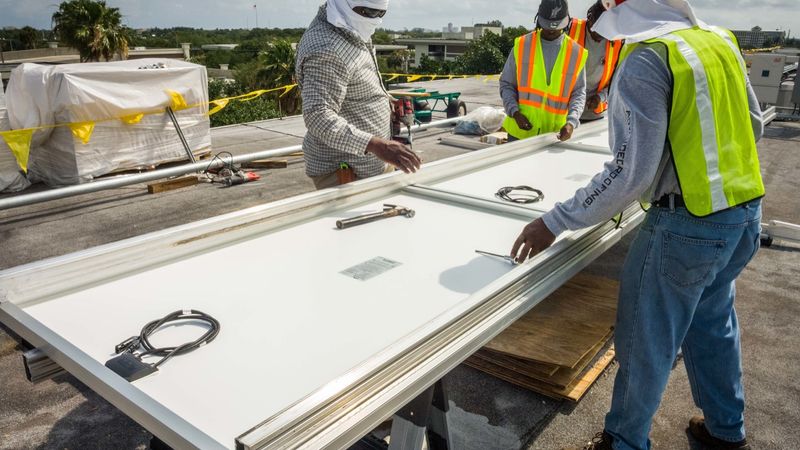
Florida Phoenix reported that the federal law signed on July 4, 2025 ends the 30% tax break for individuals buying rooftop solar by the end of 2025, and that installers were busy as a result. Tampa Bay Solar said it had about 100 new customers in the previous month, after not reaching 100 customers in the first four months of the year. The article also noted that Florida's investor-owned utilities installed the second-largest amount of solar capacity in the country in 2024, behind Texas, and that solar supplies 8% of the state's energy portfolio.
What it means for you: That tax break is gone for systems installed in 2026 and later, so older quotes and payback figures that counted it no longer apply; compare current prices without it.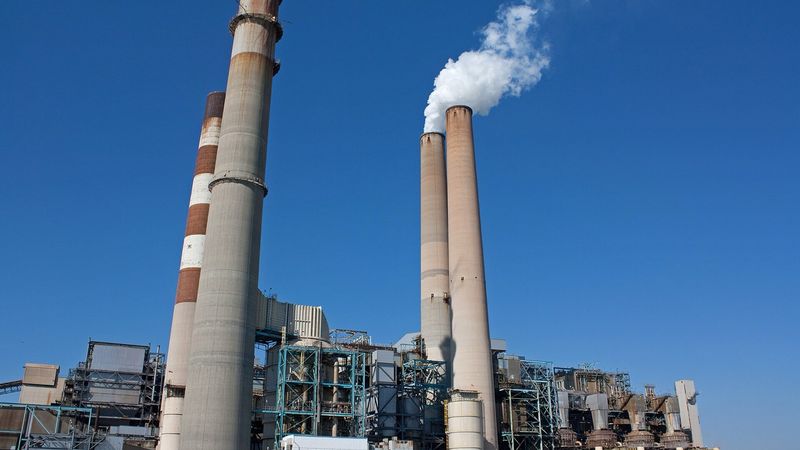
Tampa Electric territory (Hillsborough, Polk, Pasco, Pinellas)
Tampa Electric bills went up in 2025 after regulators approved a rate increase
The News Service of Florida reported that state regulators approved a $184.9 million base-rate increase for Tampa Electric starting in January 2025, with further increases of $86.6 million in 2026 and $9.1 million in 2027. A residential customer using 1,000 kWh a month was projected to see the bill rise from $136.44 to $145.58. Regulators trimmed the utility's original 2025 request of $287.9 million and approved a 10.5% return on equity, between the 11.5% Tampa Electric sought and the 9.5% consumer advocates argued for.
What it means for you: Florida rates move in steps through rate cases, so test a solar payback against a range of future prices instead of assuming one fixed yearly increase.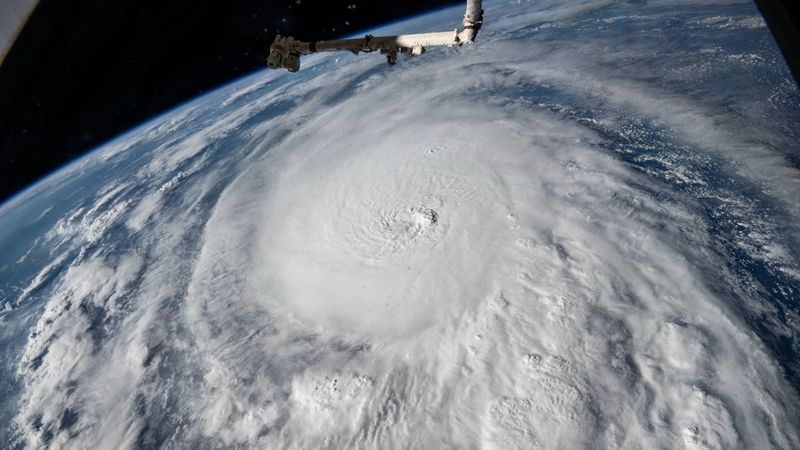
Manatee County, near Bradenton Beach
A solar-and-battery neighborhood near Bradenton Beach kept its lights on through Milton
CNN reported that Hurricane Milton knocked out power for more than 2.5 million customers across Florida in October 2024, including in Manatee County, but homes in Hunters Point, a new development between Sarasota Bay and Tampa Bay, kept their lights on. Residents who stayed through Helene and Milton reported little to no damage, and solar power and battery storage kept the lights on all night and the following days. The homes were designed to withstand Category 5 hurricanes, with living space 16 feet above sea level, and were selling for $1.4 million to $1.9 million; 31 of the 86 planned homes were complete.
What it means for you: The batteries are what kept these homes running, and they came with unusually storm-hardened, expensive construction; if backup power is your goal, price the battery, not just the panels.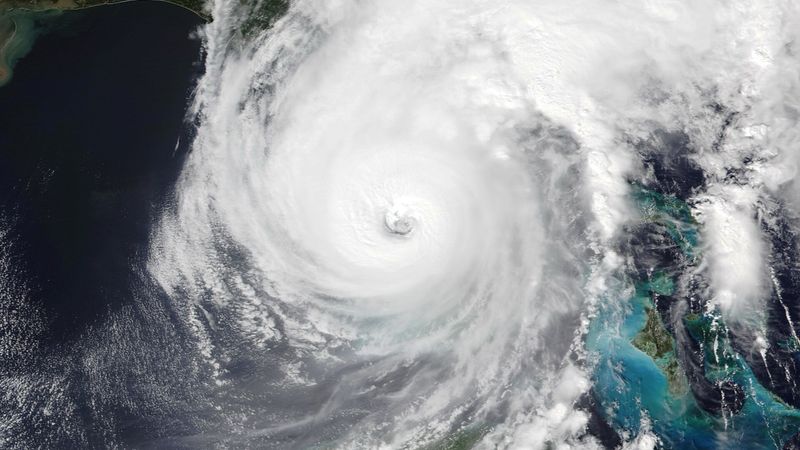
Babcock Ranch, Charlotte County 2022 report
Babcock Ranch kept its lights on through Hurricane Ian
Babcock Ranch, a neighborhood of roughly 2,000 homes about 12 miles northeast of Fort Myers, kept power during Hurricane Ian in 2022 while the storm knocked out power to more than 2.6 million Florida customers. CNN reported that a nearby array of 700,000 solar panels produces more electricity than the neighborhood uses, and that some residents had added rooftop panels and batteries. The storm uprooted trees and tore shingles from roofs, but a resident described no other major damage.
What it means for you: One neighborhood's experience shows what is possible, not what a single home with panels will get; batteries are what let a house run during an outage, and they add cost.
Florida and the United States 2022 report
Berkeley Lab: solar plus a battery can cover essentials for days, but not always cooling
As Hurricane Ian approached Florida, Lawrence Berkeley National Laboratory researchers reported that a modest solar system with one battery can power critical loads such as refrigeration, lighting, internet and well pumps for days at a time almost anywhere in the U.S. In seven of the 10 past outages they modeled, most homes could also keep heating and cooling running with solar and 30 kWh of storage, roughly two Powerwalls. Cloudy weather after a hurricane can limit solar output, and they put the installed cost of a Powerwall system at $12,000 to $16,500 before incentives and taxes.
What it means for you: A battery can keep the essentials running in a multi-day outage, but whole-home air conditioning is the hard part and the system costs thousands of dollars more than solar alone.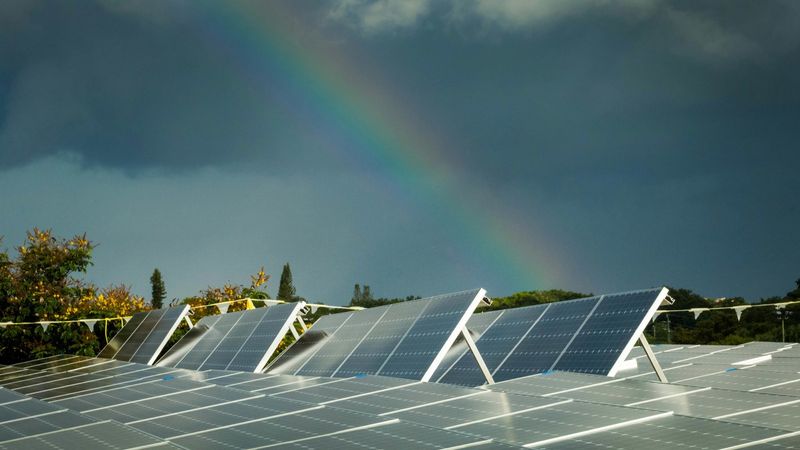
Florida (statewide) 2022 report
Florida's 2022 net metering bill was vetoed, so current rules stayed in place
Florida's HB 741 would have cut what utilities pay rooftop solar owners for exported power from 11 cents to 2 cents per kilowatt-hour by 2029 for new customers, and Gov. Ron DeSantis vetoed it in April 2022. Canary Media reported the bill would not have applied to the roughly 100,000 existing net-metered customers, and that opponents of the bill pointed out that less than 1 percent of the state's 10.5 million electric customers have net-metered solar. The bill was largely drafted by lobbyists for Florida Power & Light, according to a Miami Herald and Floodlight investigation.
What it means for you: Export rules can change after you install, so check how your utility credits exported power and don't assume today's terms are permanent.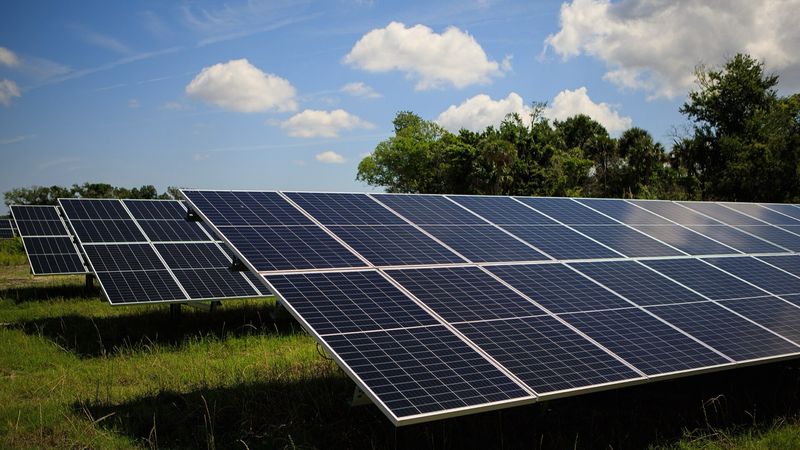
Florida Power & Light territory 2021 report
FPL's SolarTogether community solar program sold out its residential subscriptions
pv magazine USA reported that residential subscriptions to FPL's SolarTogether program sold out, with more than 48,000 confirmed subscribers and about 2,000 more on a waiting list. Subscribers pay for a share of the program and receive bill credits rather than power from a specific project, and they were expected to reach a simple payback within seven years. The article also noted that the program's 74.5 MW projects are much larger than typical 1 to 5 MW community solar, so calling it community solar may be a misnomer.
What it means for you: A subscription can lower bills without panels on your roof, but payback depends on credits that vary, and you get no backup power in an outage.
What this means for your own numbers in Florida:
California
California (statewide)
Three in four new California home solar systems came with a battery in 2025
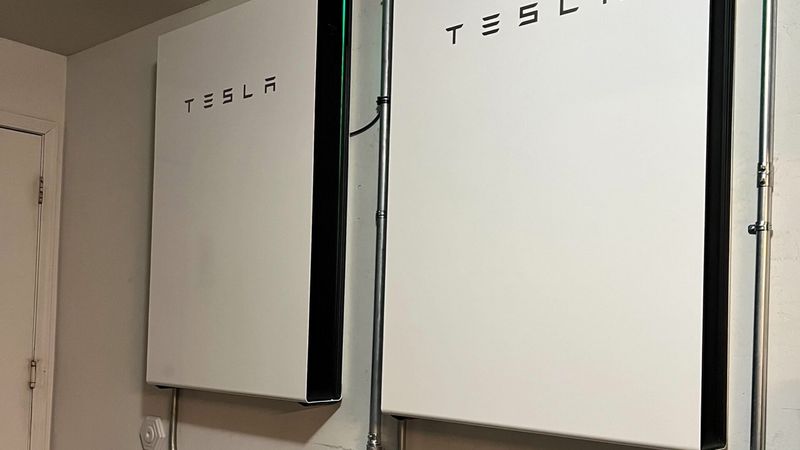
pv magazine reported that Lawrence Berkeley National Laboratory data show 74% of new residential solar installations in California included storage in 2025, up from 58% in 2024, while the share across the U.S. rose to 37% from 25%. The article ties California's shift to the net billing tariff in effect since April 2023, which cut the value of exported rooftop power in many hours and made storing daytime solar for later use more valuable. The median home battery was 13.5 kWh in both years.
What it means for you: In California a battery is now the usual part of a new solar quote, so compare solar alone with solar plus a battery for your own usage before you decide.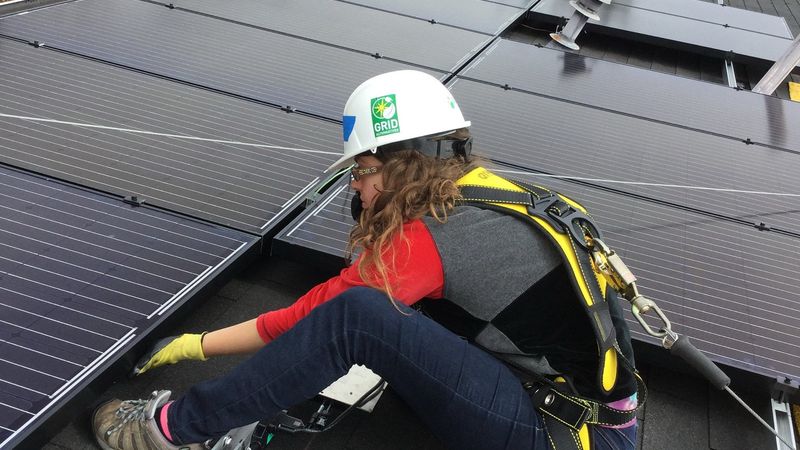
California and the United States
Forecasters expect U.S. home solar to slow in 2026, with California still growing
Bloomberg News reported a BloombergNEF projection that the U.S. will add 4.1 gigawatts of residential solar in 2026, down 15% from 2025 and the lowest in five years, mainly because a 30% tax break for homeowners expired late in 2025. California and Florida were the exceptions: California installations were forecast to grow 17% in 2026, and Florida's residential additions to reach 710 megawatts, up 62%. About 40% of new residential systems included a battery as of early 2026.
What it means for you: Without the homeowner tax break, solar has to pay back on today's prices alone; a growing market is not proof it pays back for your home, so check your own numbers.
California (statewide)
A California court upheld the net billing tariff in 2026
pv magazine reported on March 11, 2026 that California's 1st District Court of Appeal sided with the CPUC and upheld the Net Billing Tariff, after the state Supreme Court ordered a re-examination in August 2025. The article says the tariff cut export credits by approximately 75% to 80% compared with NEM 2.0, and that the value proposition for homeowners continues to shift toward solar-plus-storage and away from solar-only projects. The petitioners, including the Environmental Working Group and the Center for Biological Diversity, argued the CPUC failed to ensure sustainable growth of the solar market.
What it means for you: The current export rules are likely to stay, so evaluate solar for California on net billing economics rather than waiting for a reversal.
PG&E territory
PG&E's per-kWh rates fell in March 2026 as the new Base Services Charge began
PG&E's rate advisory says its average residential non-CARE rate fell from 41.46 to 40.60 cents per kWh on March 1, 2026, lowering the typical 500 kWh monthly bill from $208.68 to $203.54, or 2.5%. PG&E named two main drivers: the end of $499.5 million in wildfire cost recovery, and the start of the Base Services Charge, which reduces per-kWh rates for all residential customers. The typical CARE bill fell 8.11%, to $117.42.
What it means for you: A lower price per kWh means each kWh your panels make saves a little less, and a fixed monthly charge stays on the bill either way, so estimate payback with current rates, not last year's.
California (statewide)
100,000 California home batteries were tested as one power plant
pv magazine USA reported that more than 100,000 residential batteries across California delivered an average of 535 MW from 7 to 9 p.m. on July 29, 2025, according to a Brattle analysis. Nearly 90% were enrolled in the state's Demand-Side Grid Support program, and Sunrun said it pays battery owners up to $150 per battery per dispatch season. The article does not say what a participating homeowner earns on average.
What it means for you: Some California battery owners can be paid for sharing stored power at peak times, but the article reports only a maximum from one company, so treat it as a possible bonus, not a payback plan.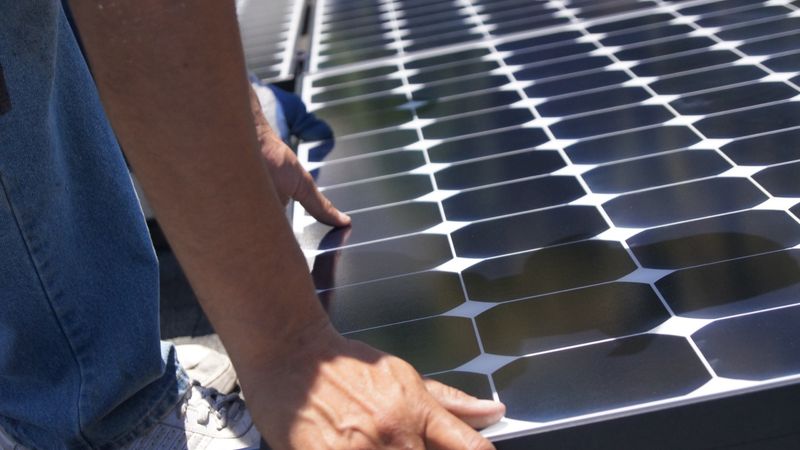
California (PG&E, SCE and SDG&E territories)
After California cut export credits, rooftop solar installs fell and batteries became the norm
Canary Media reported that California's net billing tariff, which replaced net metering on April 15, 2023, cut the value of solar sent to the grid by about 75 percent on average. Installs averaged about 8,000 per month in Q1 2024, lower than any month under net metering since May 2020, and CALSSA reported monthly sales down 77 to 85 percent for May through September 2023 versus 2022. About 60 percent of net-billing systems included batteries, versus about 10 percent under net metering, and inflation-adjusted prices for paired solar-battery systems rose about 17 percent.
What it means for you: Under net billing, solar alone earns far less on exports than it used to, so expect quotes with a battery, and test whether the added cost pays back for your home.
San Jose, Bay Area 2019 report
During PG&E's 2019 shutoffs, solar alone went dark and batteries made the difference
ABC7 reported that during PG&E's public safety power shutoffs, solar panels without storage shut off with the grid as a safety precaution, and local installers saw higher interest in batteries. Sunrun said several hundred of its homes kept lights, TVs and refrigerators running through the events. One San Jose homeowner with 31 roof panels and a battery installed about 18 months earlier stayed powered through a shutoff and reported about 24 hours off the grid.
What it means for you: If outages are your reason to buy, a battery is the part that provides backup; solar panels alone will not keep your lights on.
What this means for your own numbers in California:
Want numbers for your own home?
Compare free, no-obligation quotes from up to 3 local installers in Florida or California.
Get free solar quotesStories describe what was reported at the time and may not reflect current prices or rules. For estimates for your home, use the Florida or California calculator.