See if solar pays off on your home — using your actual utility rates
The federal tax credit is gone, so we show Florida and California homeowners honest cost, savings and payback ranges from their own utility’s rates.
Pick your state to start
- Free
- No sign-up for the calculator
- Every assumption shown
- Independent, not a utility
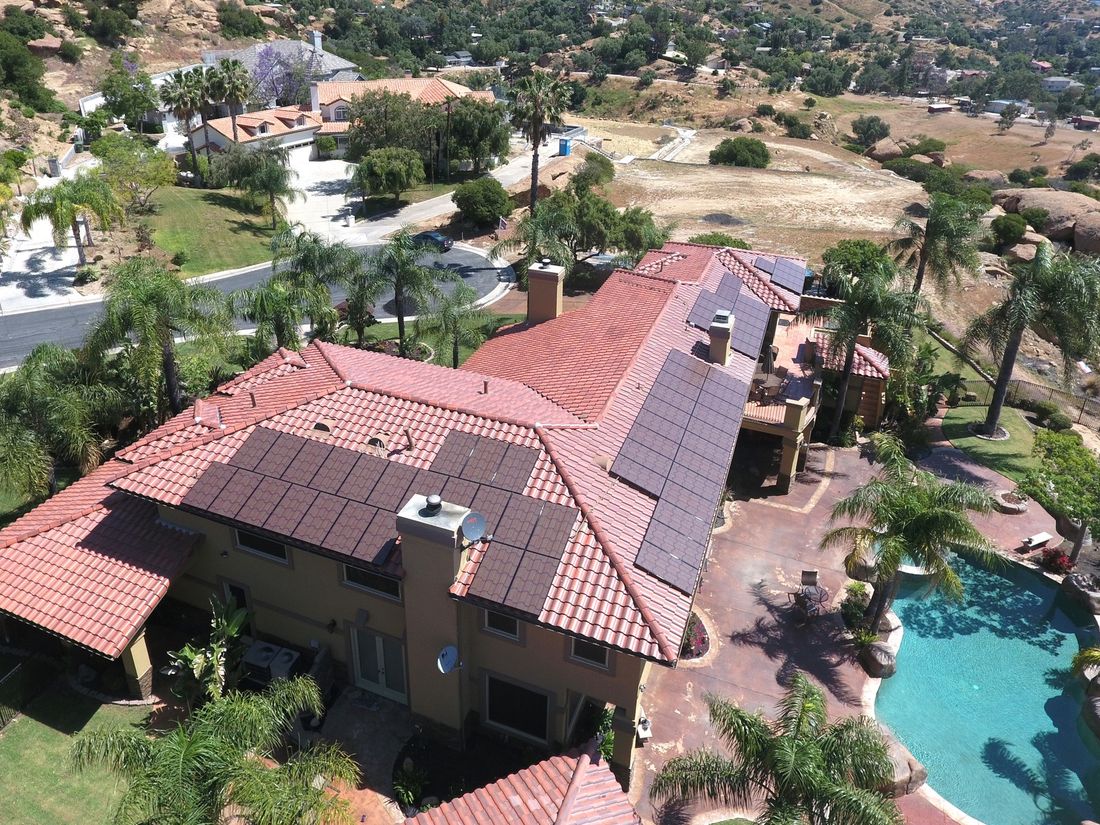
Choose your state
Florida
Net metering · tiered rates
Florida utilities credit the solar you send to the grid through net metering, and we price it through your utility’s own tiered rates. See what rooftop solar and a battery are worth on FPL, Duke Energy Florida or TECO.
Florida calculatorGet quotes in FloridaCalifornia
NEM 3.0 · batteries matter
Export credits and self-consumption shape the math here. See how solar and a battery affect payback on PG&E, SCE or SDG&E.
California calculatorGet quotes in California
How it works
- Step 1
Tell us about your home
Pick your state and utility, then enter your average monthly bill and whether you want a battery.
- Step 2
We run the numbers
We size a system to your usage, estimate local sun, and apply your utility’s actual rate and export rules.
- Step 3
See a realistic range
Get low, likely and high estimates for cost, savings and payback, with every assumption listed.
Curious about the details? Read our methodology.
How RayValue works for you
Free for homeowners
The calculator and quote requests cost you nothing, and you are never obligated to buy.
Installers pay to be introduced
Installers pay RayValue for introductions to homeowners who ask to hear from them. That is how the site is funded.
You choose who contacts you
You decide whether to request quotes at all. If you do, the consent wording names the installers who may contact you, and you can opt out at any time.
See the affiliate disclosure.
What’s happened with solar in Florida and California
Publicly reported events, each linked to the original reporting.
California (statewide)
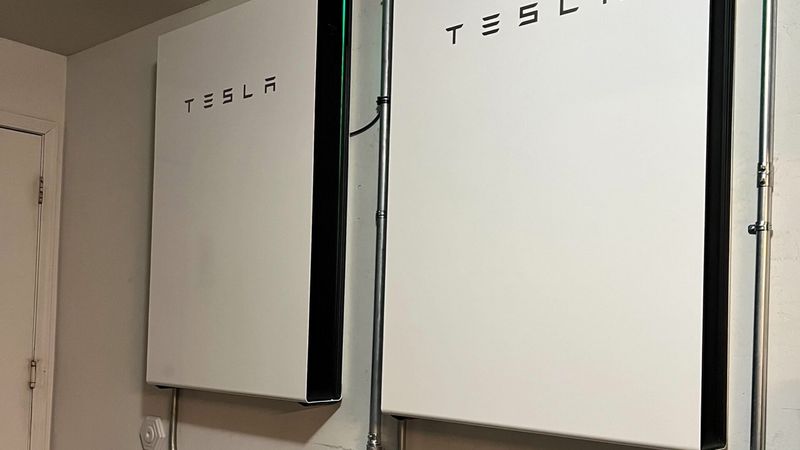
Three in four new California home solar systems came with a battery in 2025
What it means for you: In California a battery is now the usual part of a new solar quote, so compare solar alone with solar plus a battery for your own usage before you decide.pv magazine reported that Lawrence Berkeley National Laboratory data show 74% of new residential solar installations in California included storage in 2025, up from 58% in 2024, while the share across the U.S. rose to 37% from 25%. The article ties California's shift to the net billing tariff in effect since April 2023, which cut the value of exported rooftop power in many hours and made storing daytime solar for later use more valuable. The median home battery was 13.5 kWh in both years.
Treasure Coast
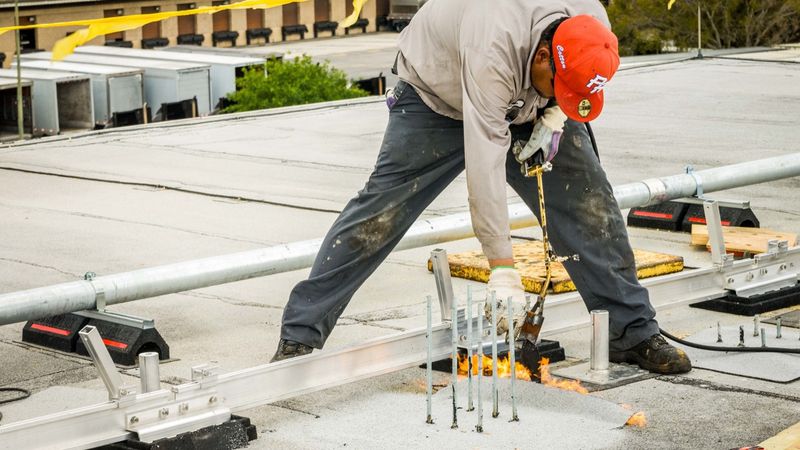
Treasure Coast homeowners filed hundreds of complaints over door-to-door solar sales
What it means for you: Get several written quotes, read every loan and warranty term before you sign, and treat a salesperson's savings number as a claim to check, not a promise.WFLX reported that Florida consumers had filed nearly 750 complaints against three solar companies the station examined, according to attorney general data, and that the attorney general had opened formal investigations into two of them while the third faced active litigation. At least six families described similar door-to-door sales pitches; one homeowner was locked into a $60,000 loan over 25 years, another had a $40,000 solar loan, and a couple said their panels never lowered FPL bills of nearly $300 a month. Seniors vs. Crime, part of the attorney general's office, offers free mediation to help people cancel contracts and recover money.
Babcock Ranch, Charlotte County
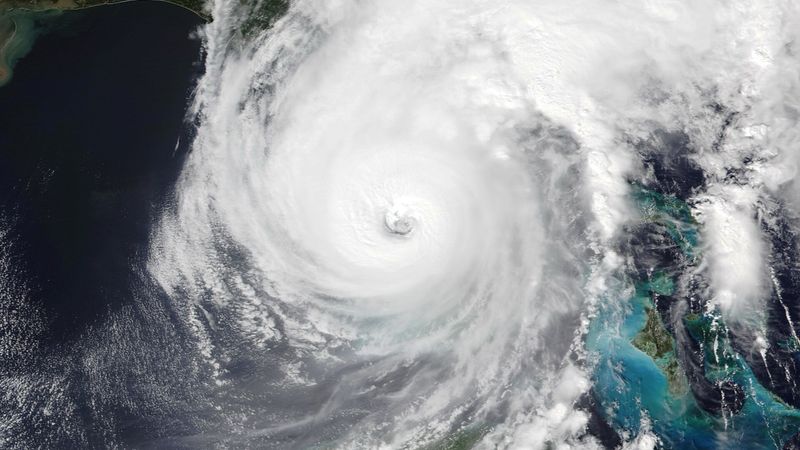
Babcock Ranch kept its lights on through Hurricane Ian
What it means for you: One neighborhood's experience shows what is possible, not what a single home with panels will get; batteries are what let a house run during an outage, and they add cost.Babcock Ranch, a neighborhood of roughly 2,000 homes about 12 miles northeast of Fort Myers, kept power during Hurricane Ian in 2022 while the storm knocked out power to more than 2.6 million Florida customers. CNN reported that a nearby array of 700,000 solar panels produces more electricity than the neighborhood uses, and that some residents had added rooftop panels and batteries. The storm uprooted trees and tore shingles from roofs, but a resident described no other major damage.
Frequently asked questions
- Does solar still make sense without the federal tax credit?
- For some homes it does and for others it does not, which is why the calculator exists. The federal residential credit has ended for new installs, so we apply none. Whether solar pays back depends on your utility’s rates, how much power you use, how much sun your roof gets and what an installer charges, and some results show that it will not pay back within the analysis period.
- How accurate is the calculator?
- It gives estimates, shown as low, likely and high ranges, not quotes. It uses your utility’s published rates, a solar production model for your location, and cost ranges for your state, and it lists every assumption. It does not include financing costs, maintenance, or inverter and battery replacement, and your installer’s price and your actual usage will differ.
- Is RayValue really free?
- Yes. The calculator needs no sign-up, and asking for installer quotes costs you nothing and does not obligate you to buy anything. Homeowners never pay RayValue.
- How do you make money?
- Installers pay RayValue for introductions to homeowners who ask to hear from them, and some pages include affiliate links, which are labeled. Those relationships do not change the calculator’s math: every rate, cost and assumption it uses is listed on the methodology page.
More questions? See the questions about quotes and your contact details, or read solar lease vs buy.
Ready to see your numbers?
It takes about a minute, it’s free, and no federal tax credit is assumed.